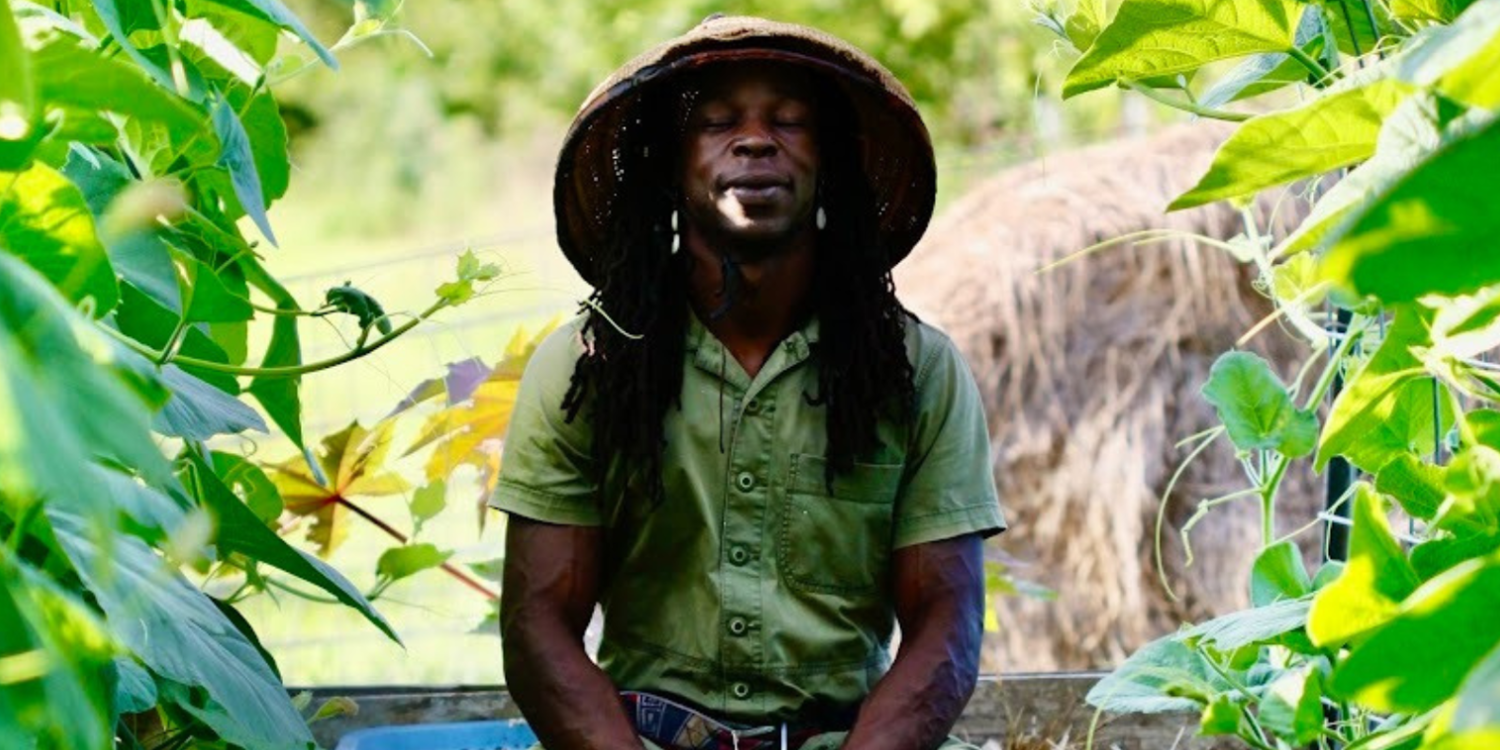
G.A.S. Foundation is pleased to welcome Ryan Tenney, an interdisciplinary artist and agroecological practitioner based in Kansas City, for a residency at the G.A.S. Farm House in Ikise from January to March 2026. Working across painting, installation, digital media, and ecological research, Tenney’s practice sits at the intersection of art, agriculture, technology, and Traditional Ecological Knowledge. His work investigates how creative and agrarian practices can operate as tools for liberation, collective care, and alternative futures. During his residency, Tenney will focus on deep engagement with the ecology of Ikise, exploring soil systems, plant life, and agroecological practices rooted in both contemporary science and ancestral knowledge. He plans to continue developing his ongoing gourd project—hybrid sculptural forms grown from calabash gourds and integrated with digital technologies—while also experimenting with agricultural infrastructure such as compressed earth block construction, vermicomposting systems, and sensor-based monitoring tools. His research will include hands-on soil analysis using microscopes and respiration tests, as well as exchanges with farmers, herbalists, and fibre workers in and around the G.A.S. Farm.
Tenney also hopes to revisit and expand an earlier collaboration with the New Afrika Shrine, exploring how the gourd project might be incorporated into stage design through projection mapping and site-specific installation. In addition to his individual research, he plans to contribute to the cultural life of the residency through farmer-to-farmer exchanges, workshops, and collective making sessions that bridge printmaking, agricultural production, and community knowledge-sharing. For Tenney, the residency represents both a continuation and an extension of his farming practice—an opportunity to grow, literally and conceptually, within a new climate, soil microbiome, and cultural context.
What is the current focus of your creative practice?
I create works in a wide range of mediums, an interdisciplinary practice and has continued to evolve from painting and digital media and experimentation with recycled computer hardware to creative coding, biological-machine hardware hybrid objects, printmaking with Black walnut ink and an agroecological farming practice. My work as a cultural worker requires keeping my finger on the pulse of social movements and community aspirations such as food sovereignty and an antidote to the lens of the blighted and underserved. Collaboration, experimentation, and improvisation is another way to describe the practice of farming while Black. Over the past 3 years, the cross-pollination of working in art and agriculture germinated in the development of a hybridization of gourds, grown on my farm, with digital technologies and arrays of sensors. SunRa’s MythScience inspired the creation of the Community Soil Science Cooperative which grounds the mycological and the mythological into a substrate for liberation. My methods have aligned with place, time and space as a socio-technological engagement with land, in order to pursue a fundamentally different tomorrow. Grounding with community and land stewards has inspired a desire for a program of interoperability with more than human kin, planet and ancestry. These fugitive trajectories plot a course of my cultural work that synthesizes art, agriculture and TEK into forms that make another world more possible.
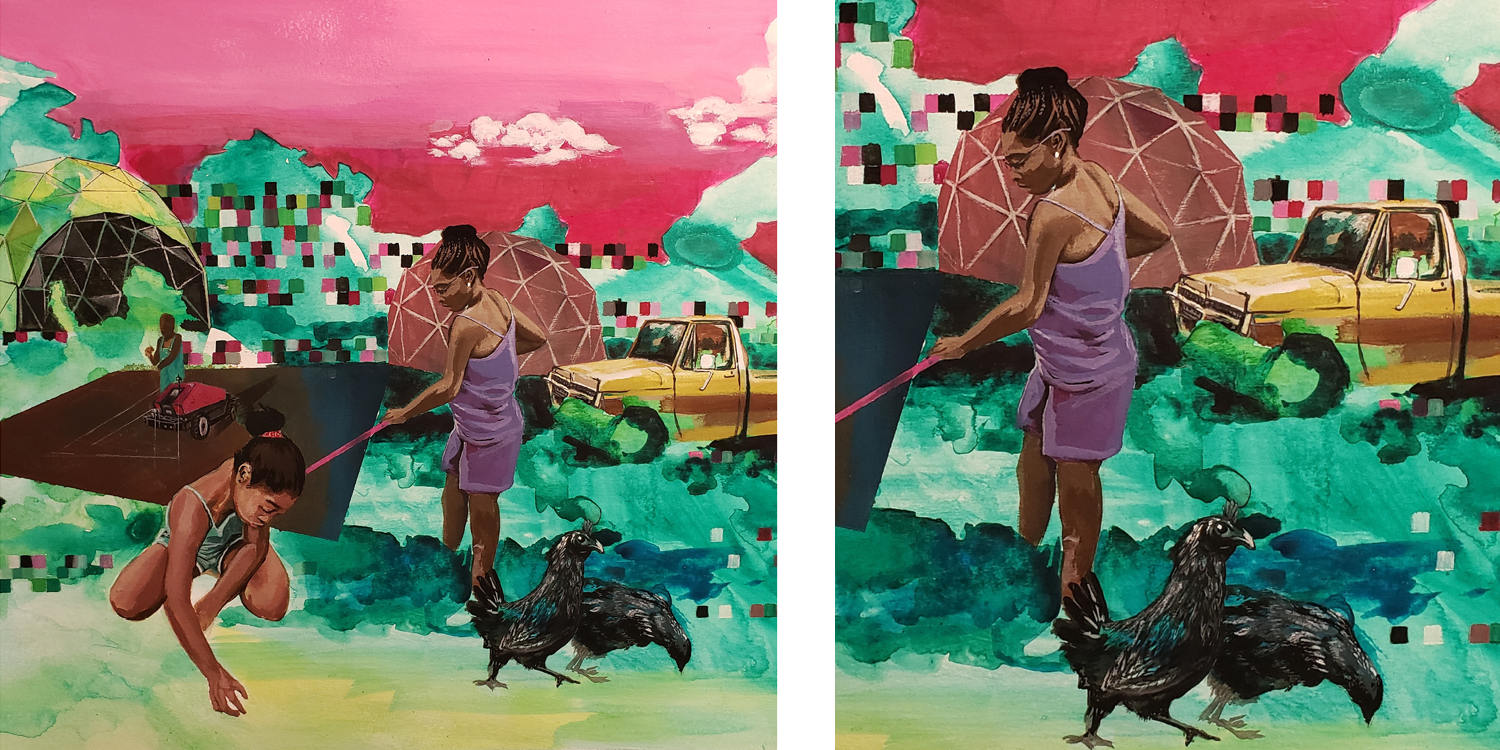
What drew you to apply for this residency and how do you think it will inform your wider practice?
My interest piqued when I learned that the G.A.S. Farm House was designed and constructed with ecological principles, including compressed earth brick material. I have utilized sustainable building practices on my farm, as well as greywater management, composting, rainwater harvesting and other sustainable technologies. I would love to experiment with the compressed earth brick press during my residency as well as explore other Agroecological practices such as vermicomposting infrastructure constructed with compressed earth bricks.
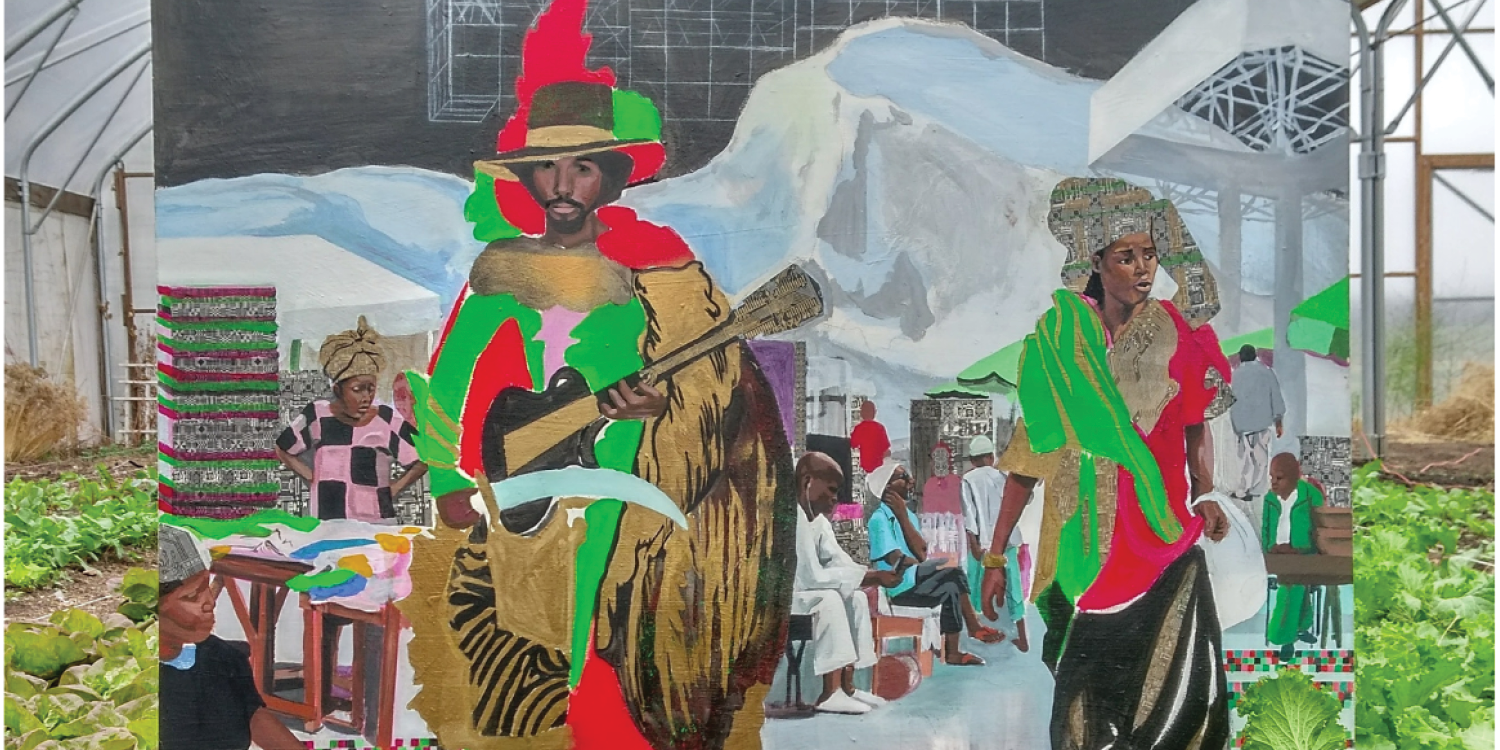
Can you give us an insight into how you hope to use the opportunity?
My approach to the residency period at the G.A.S. Farm House is very much an extension and synthesis of my practice as a farmer and cultural worker. My existing practice follows in the footsteps of George Washington Carver. He is most widely known for his spiritual and scientific approach to agriculture. I discovered that he also was an artist, he practiced painting throughout his life along with chemistry, material science and teaching. My practice encompasses similar aspects of artistic production, agricultural production, and experiments in the lab. During my residency period I aim to continue the synthesis of artistic, technological and social approach to (agri)cultural production.
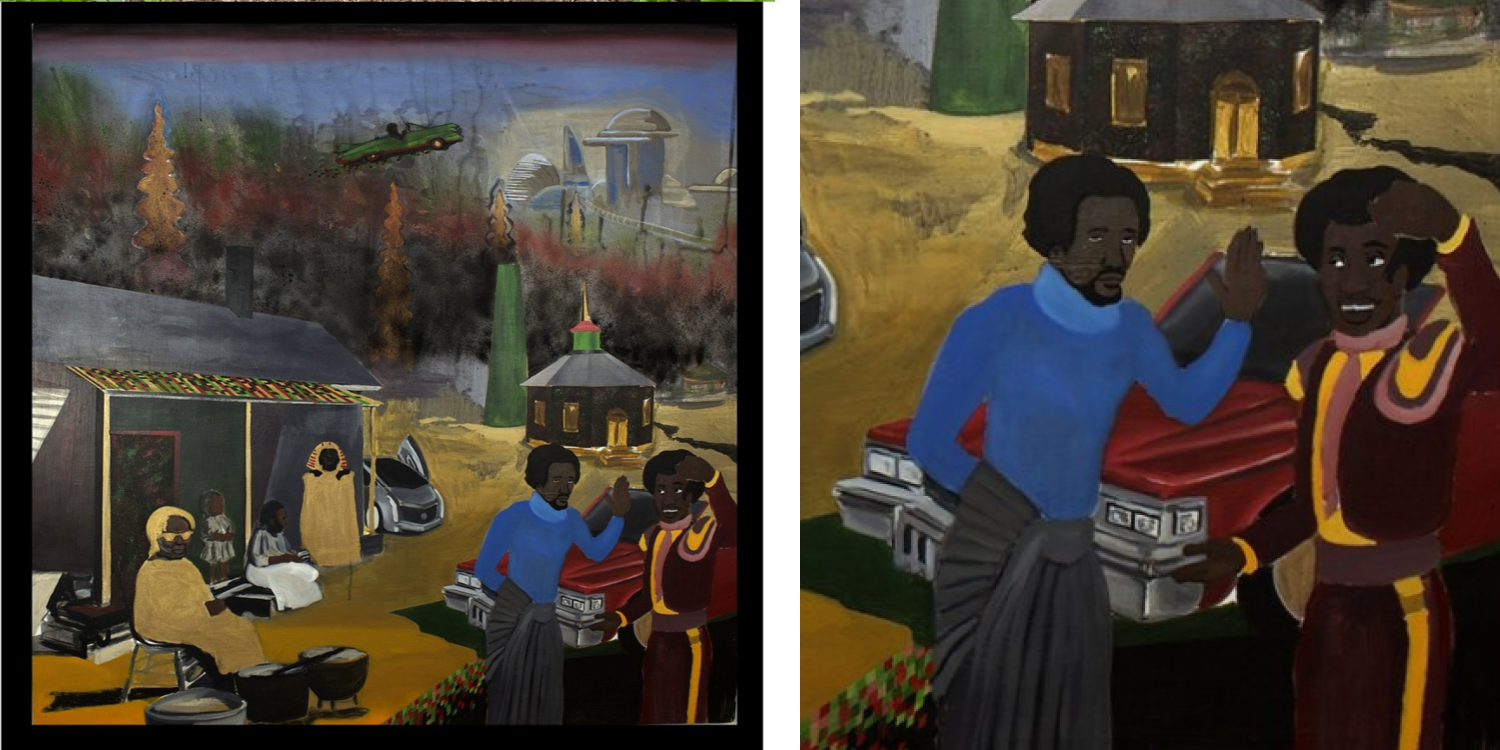
About Ryan Tenney
Ryan Tenney is an interdisciplinary (agri)cultural worker whose practice spans agriculture, artistic production, and Traditional Ecological Knowledge. Influenced by the ecological, scientific, and artistic legacy of George Washington Carver, Tenney synthesizes painting, printmaking, creative coding, soil science, and farming into a holistic practice grounded in Black agrarian traditions. His work emphasizes arts-based knowledge translation, collaboration, and experimentation as pathways toward food sovereignty and ecological justice. Alongside his artistic practice, Tenney teaches printmaking, painting, and agri-TEK on his farm and through workshops across the United States, fostering connections between cultural production, land stewardship, and community-led futures.