This March, G.A.S. is pleased to welcome U.S. based ecological researcher and farmer Monai McCullough for a six-week residency at the G.A.S. Farm House in Ikiṣẹ. Working across research and ecology, her multidisciplinary practice is rooted in the decolonisation of horticulture. Through her work, she reimagines relationships to nature through education, regenerative practices, and workshops that foster deeper dialogue around environmental justice and our connection to the natural world.
During her residency, she will expand her ongoing research project, Trees of Nigeria, using the farm’s natural environment as a site for documentation and study. She also plans to engage with local communities, including herbalists and horticulturalists, to gather knowledge and insights that will enrich her research. As part of her programme, she hopes to visit agricultural institutions such as the International Institute of Tropical Agriculture, Omo Forest Reserve, and Osun-Osogbo Sacred Grove, while also participating in hands-on activities on the farm and local tree-planting initiatives. At the end of her residency, she intends to organise a community naming ceremony.
Monai’s residency is generously supported by the Terra Foundation for American Art. To find out more about supporting G.A.S. Foundation, click here.
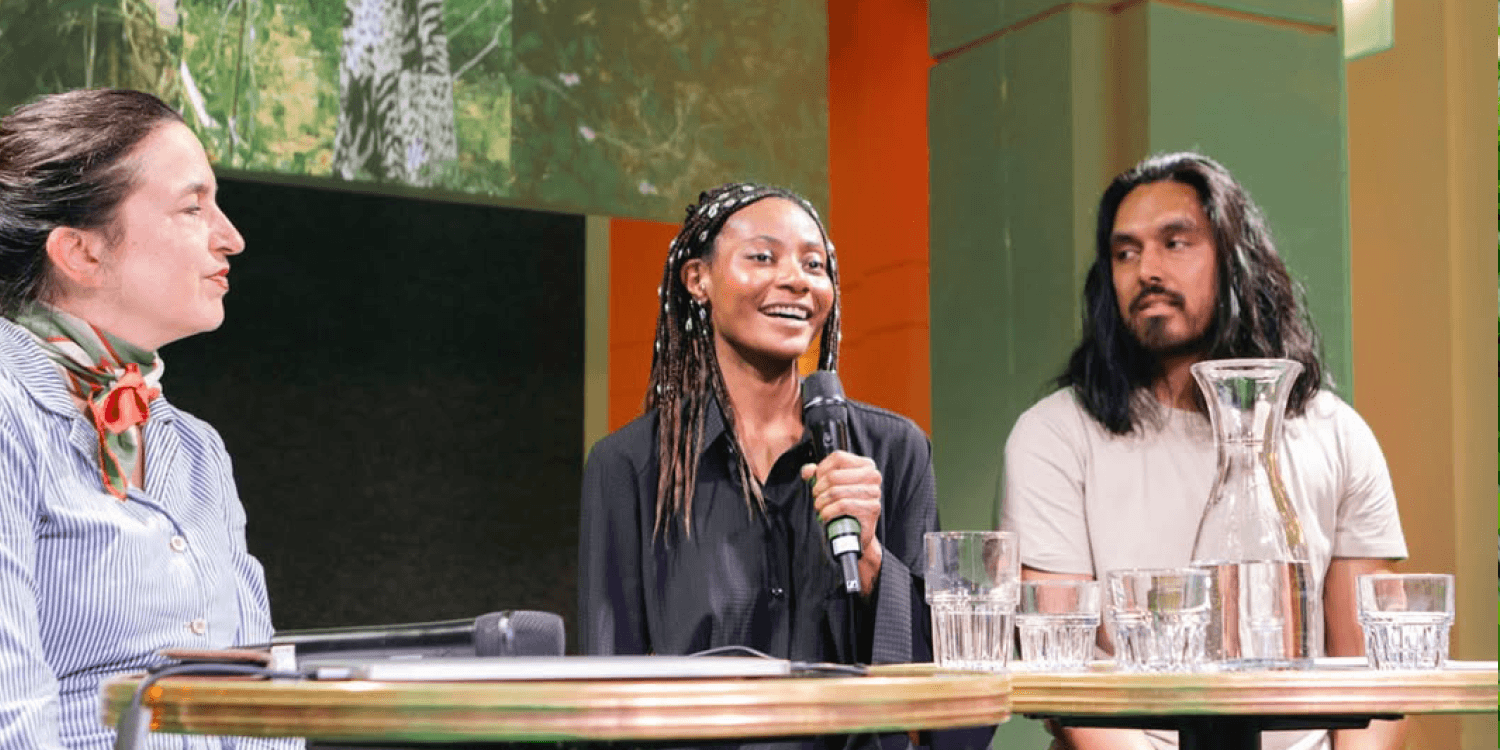
Monai McCullough presenting Trees of Nigeria at City Talks Amsterdam: Breaking the Barrier, hosted by Internationaal Theater Amsterdam, 2025. Image courtesy of Fee Golin.
What is the current focus of your creative practice?
As a green designer, my practice centres on working with plant species through an ecological and research-driven lens. I focus on understanding their growth conditions, care, and broader ecological significance, with particular attention to native and drought-tolerant species that support biodiversity and resilient ecosystems. I am interested in how sustainable, low-impact design can be used not only as an environmental strategy but also as a way of fostering deeper relationships between people and the natural world. Working across green and environmental design has shaped my understanding of how horticulture intersects with community well-being and environmental health. I continue to expand this approach through hands-on experimentation and collaboration with practitioners across different fields.
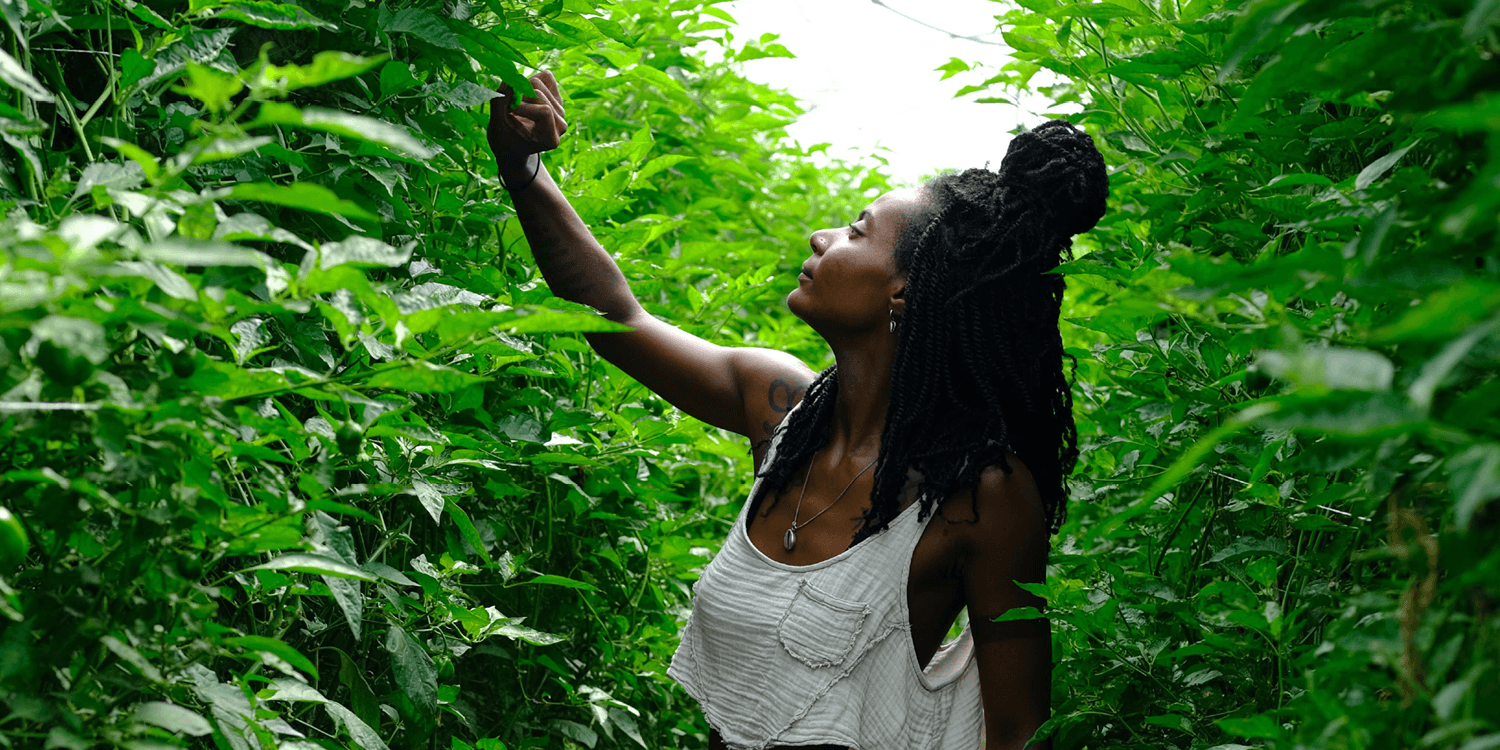 Private farm in Badagry. Photo: Daniel Uwaga.
What drew you to apply for this residency and how do you think it will inform your wider practice?
Visiting G.A.S. in Lagos and Ikiṣẹ expanded my understanding of what is possible within my research. The space offered a model for how ecological inquiry, artistic practice, and community engagement can exist in dialogue. Being part of the G.A.S. network, and engaging with its alumni and surrounding communities, provides an opportunity to extend my work beyond a singular focus on trees. It allows me to think more broadly about plant knowledge systems, cultural exchange, and the role of ecology within collective and place-based practices.
Can you give us an insight into how you hope to use the opportunity?
I am particularly interested in how local communities might respond to the idea of a naming ceremony for trees. As holders of place-based and generational knowledge, their perspectives offer an important counterpoint to Western botanical naming systems. Through this process, I hope to explore naming as a collective and cultural act.
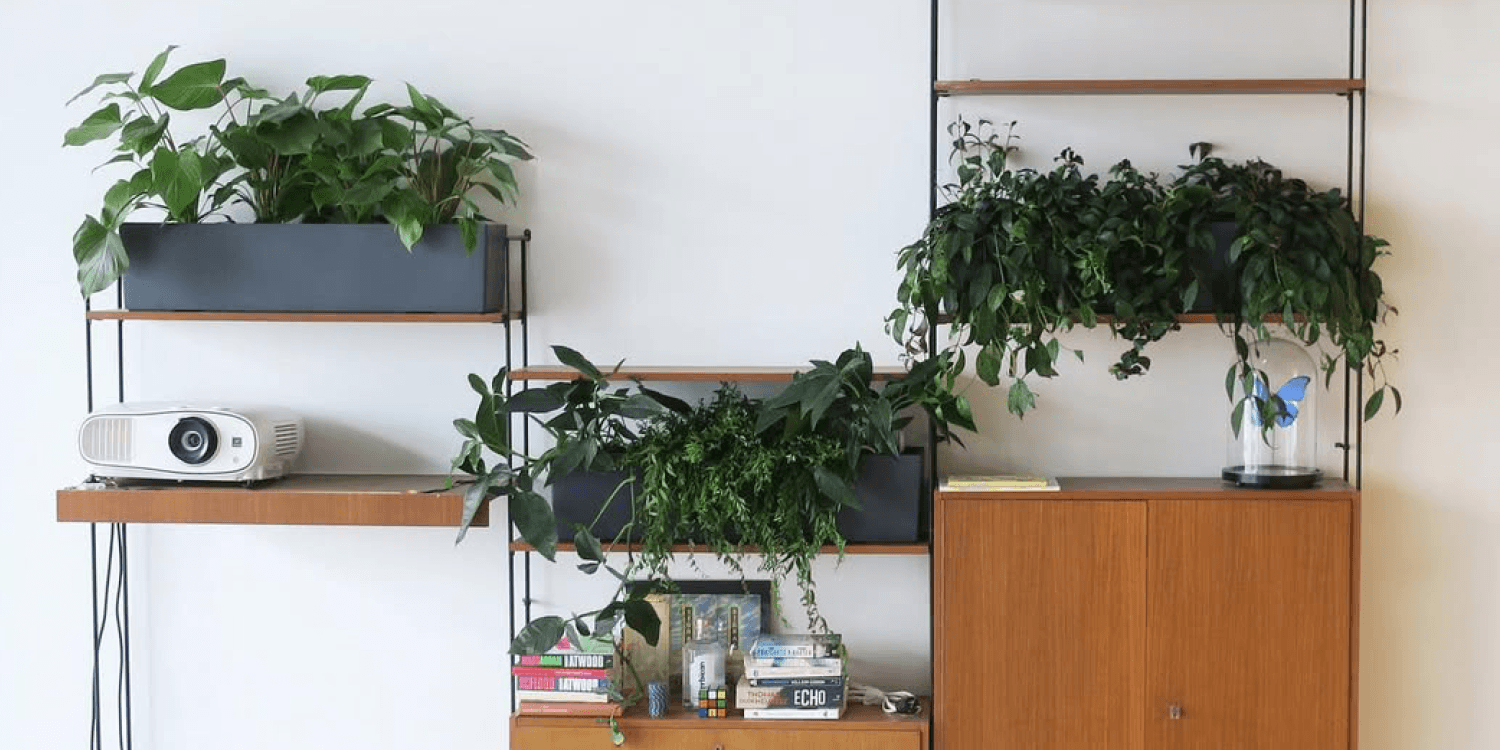 A 13-month evolution of a plant installation. Image courtesy of Monai McCullough.
RESIDENCY ARCHIVE
Event: Trees of Nigeria
Event Date: 23rd April 2026
U.S. based ecological researcher and farmer Monai McCullough recently concluded a six-week residency at G.A.S. Foundation, based primarily at the G.A.S. Farm House in Ikiṣẹ. During her time in residence, she focused on expanding her ongoing research project Trees of Nigeria, an archive that documents trees, explores their cultural and spiritual significance, and seeks to instil pride within their stewards. As her residency drew to a close, Monai hosted Trees of Nigeria on 23rd April 2026, bringing together fellow residents, G.A.S. staff, friends, and individuals she had met during her stay. The event centred on her ongoing research into trees and an exhibition of field notes compiled during trips to Ogun, Oyo, and Lagos State. Framed as a field-based inquiry, it traced how ecological knowledge is produced through observation, encounter, and exchange.
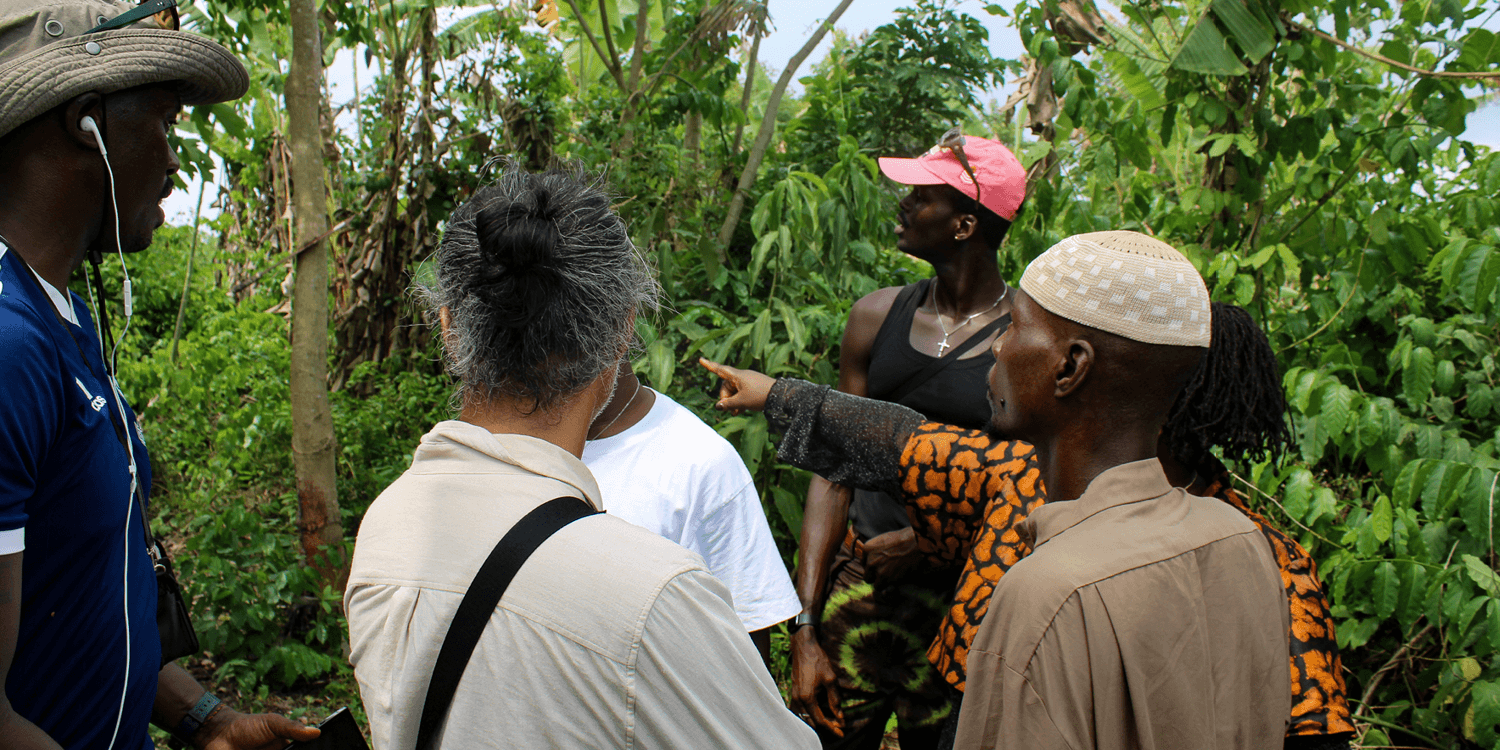 Guests identifying plants during a walk through the forest at the G.A.S. Farm in Ikise.
About Monai McCullough
Monai McCullough is a multidisciplinary ecological researcher, and farmer, whose work is deeply rooted in the decolonisation of horticulture. Monai reimagines relationships to nature, through education, regenerative practices and workshops that bring people into deeper dialogue with the world around us and environmental justice. Her ongoing project, Trees of Nigeria is an ecological research archive and creative mapping of sacred, medicinal, and coastal trees across Nigeria and Benin Republic. By collecting oral histories, folklore, and field data, Monai seeks to honor place-based knowledge while advocating for ecological reparations for the land and its stewards.
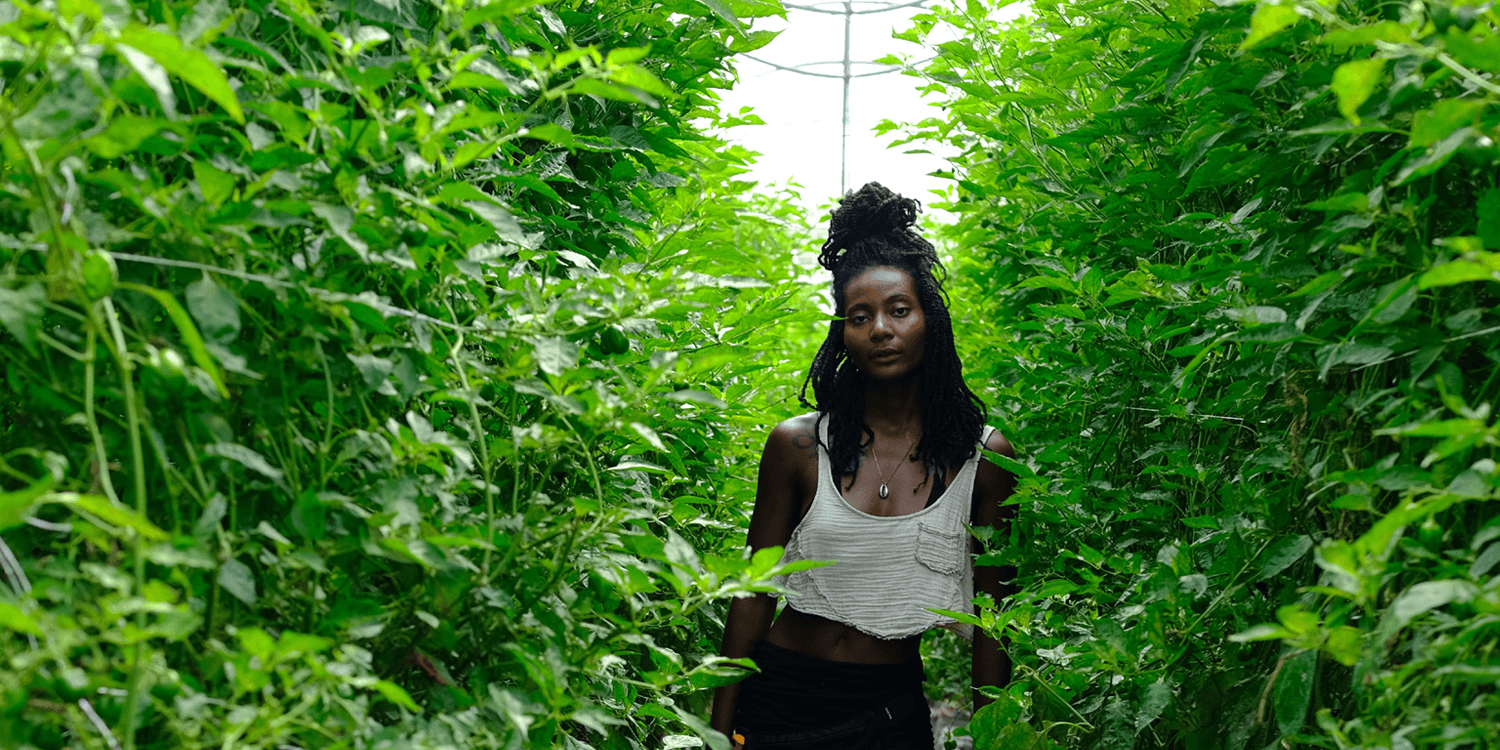 Photo of Monai McCullough. Photo: Daniel Uwaga.
Monai's residency is generously supported by the Terra Foundation for American Art.
